

Build your AI skills with a useful home project
Don't wait for your company to figure out AI. Use personal projects to gain practical experience and uncover skills you can apply at work.
Spy on Any Website
My chicken incubator could turn you into an AI leader at your company.
Well, not the incubator itself. But my plan for building an AI dashboard to manage my incubator operations could be your template for teaching yourself AI skills you aren’t learning on the job right now.
AI isn’t going away. You can’t afford to wait around for your company to decide how it wants to use AI to reach business goals. Take personal time now to learn about AI and how to apply it in your work life so you’re ready to lead when your company finally catches up.
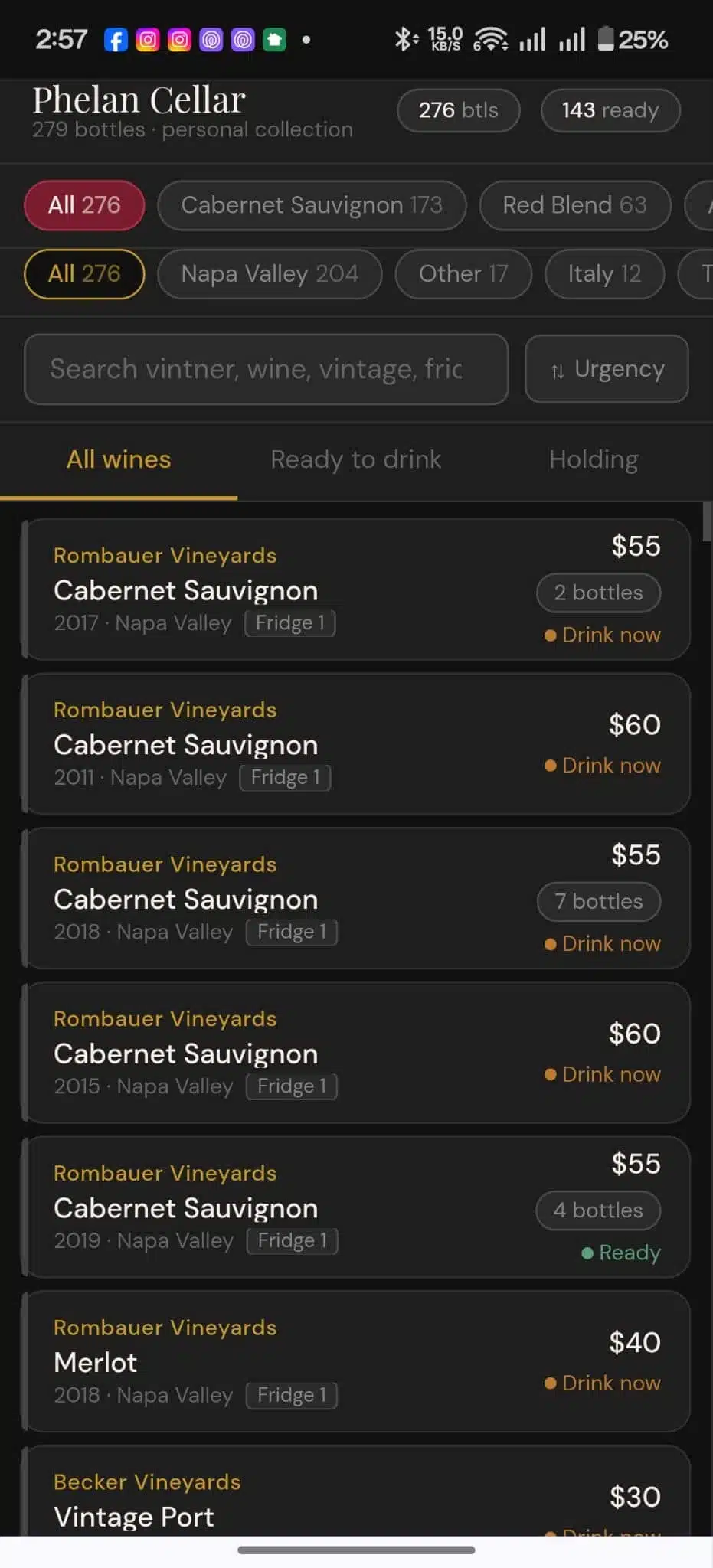
The best place to start this DIY learning is with a home project, where your hands-on training delivers something useful. In my previous article, I showed you how I used AI to organize my wine collection.
Now I’ll focus on developing an AI strategy and the tactics to build a more consequential project, using skills you could transfer to solve a work issue.
Why you should start at home
Maybe you want to become an urban farmer, or you have a large pantry to organize. Need to optimize your lawn-watering system or coordinate a complex family schedule? You might wonder, “How can I use AI to make this easier or faster?”
As you learn, you’ll probably make lots of mistakes at first. I certainly did. But it’s better to make those mistakes now, like picking the wrong AI model, than when you’re doing it for work.
Eventually, you’ll be ready, maybe before most people in your company, when your company finally adopts AI. You’ll be the one who asks the right questions of vendors promoting AI-driven platforms and services.
In the short run, these projects use AI to improve your home life. In the long run, your home project work helps you understand why you need a goal-oriented strategy and gives you skills you can transfer to your work life.
Companies on the AI track will expect their marketers to have enterprise-level skills that serve company goals. At your next job interview, your prospective employer will probably quiz you on what you know and what you’ve done with your knowledge.
How impressive would it be to pull out your phone and show your work?
Understanding AI in the corporate environment and knowing what AI can do across diverse models and applications helps you stand out from your competitors.
The world’s most powerful SEO platform, purpose-built for Enterprise.
Wherever you experiment, always start with strategy
That’s one thing that won’t change. Always develop a strategy before you dive into tactics. This is true whether you’re looking around for a home project, building an email campaign, or creating a company-wide AI plan.
Don’t overlook this strategy layer, no matter how eager you are to get your hands on the tools around you now. AI lets us jump in cold and get immediate answers and results. These can be misleading and problematic.
If you’re not thinking about the project and its goals before you start the first prompt, you’ll waste your time and come up with the wrong conclusion. At home, you just lose some time and maybe money and get funny looks from your spouse. At work, you could lose your job.
Recommended Articles

4 steps to a successful brief
I thought I left my Iowa farm life behind me, but my baby-animal-loving wife brought me back into it with a fait accompli — a chicken incubator, complete with eggs, that she ordered while I was out of town. We negotiated a deal in which we would incubate fertilized eggs and then hand them off to a family caretaker when the chicks were old enough.
It’s a win-win-win: She gets to enjoy the chicks for a few days. I got a project I could automate. And we have a hard deadline to deliver the chicks, so we don’t have a houseful of squawking chickens terrorizing our dog, Pippin.
Step 1: Learn from the research
Yes, I grew up on a farm. But I still had a lot to learn about chickens and the mechanics of incubation. You’d be surprised at what you have to do when Mother Nature isn’t in charge.
I dove into research and managed my first two batches of chicks manually. I needed to gather and analyze data on incubator temperature and humidity and automate as much of the incubation process as I could.
(Remember that last sentence.)
Step 2: Learn from your mistakes
I needed a large language model (LLM) to help with research and analyze all the data my Wi-Fi-enabled sensors poured into my phone app. My first choice, ChatGPT, quickly broke under the pressure.
The same thing happened when I switched to Google’s Gemini. Besides drowning in data, it started to hallucinate — make things up — almost right away.
Those two missteps weren’t fatal, though. I learned each model’s pros and cons, how they interact, how they cross over to other conversations, and how those conversations were either locked in a chat or open across the entire experience.
Two batches in, I turned to Anthropic’s Claude. I built a dashboard and a mobile app to monitor all the incubation data and integrated Claude into the dashboard so I could ask it for advice based on the readings.
Step 3: Write your strategy brief
Back in Step 1, I wrote: “I needed to gather and analyze data on incubator temperature and humidity and automate as much of the incubation management as I could.” That’s important because it was the goal I used to create my strategy.
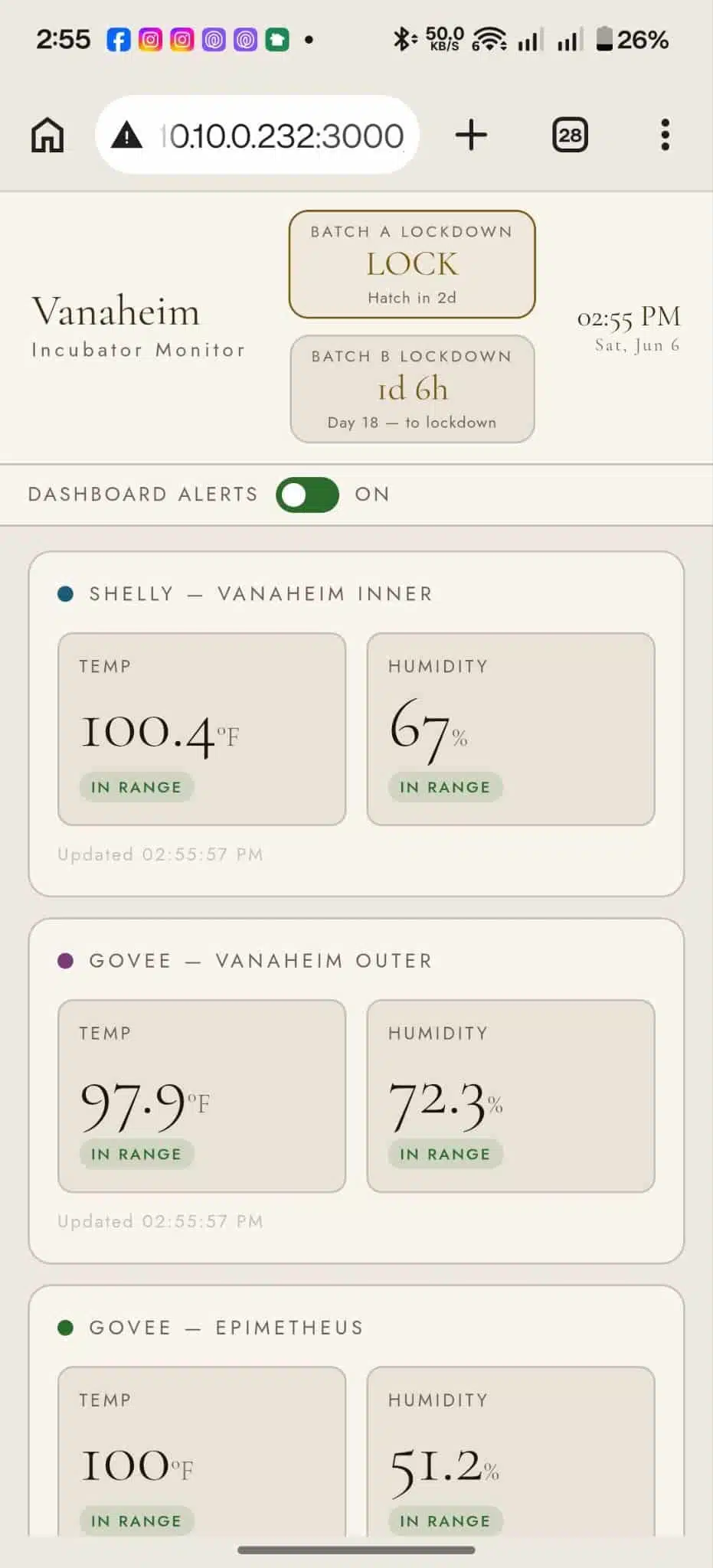
Before I could build a dashboard or automate data collection, I needed to know what I wanted to collect and how I would use it to achieve my goal.
I laid out my strategy in this detailed brief. You might be thinking, “Seriously? A brief for a chicken thing?” Don’t laugh! After 28 years in email and digital marketing, I knew it was just as important to get that brief right as it was for any major campaign I created. After all, little chicken lives are at stake here.
I thought through every step of the incubation process to write the brief and make sure Claude had all the information it needed to help me build my dashboard correctly the first time.
As you’ll see, the brief includes goals, processes, rules, and requirements. I even told Claude it could be sarcastic with me. Why? Because sarcasm is my family’s love language and, hey, I’m working with chickens here!
Writing the brief is an essential part of the process. Look for my best brief-writing tips in the next section.
Step 4: Build on what you know
Don’t rest on your laurels after you complete your first project. Take what you learned and look for another one. What else could you automate?
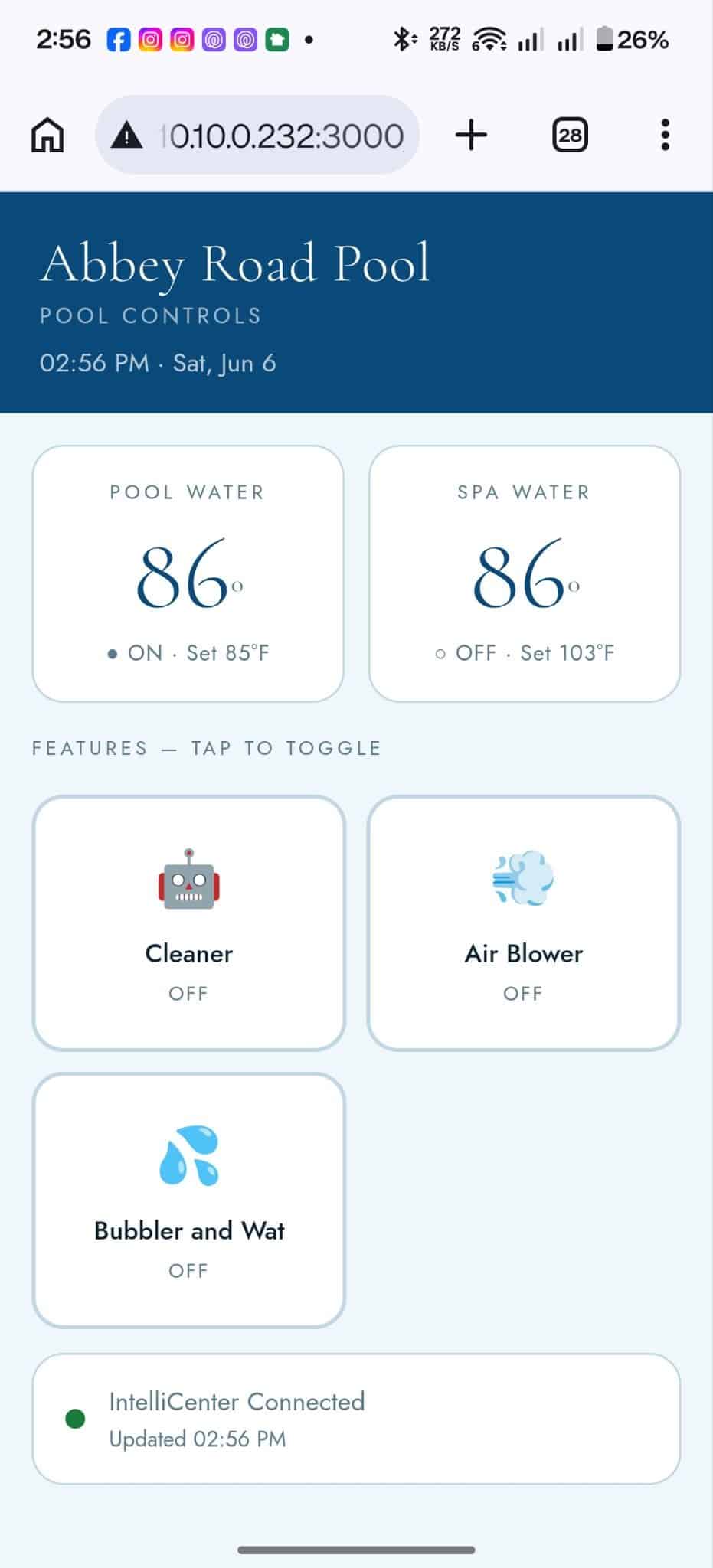
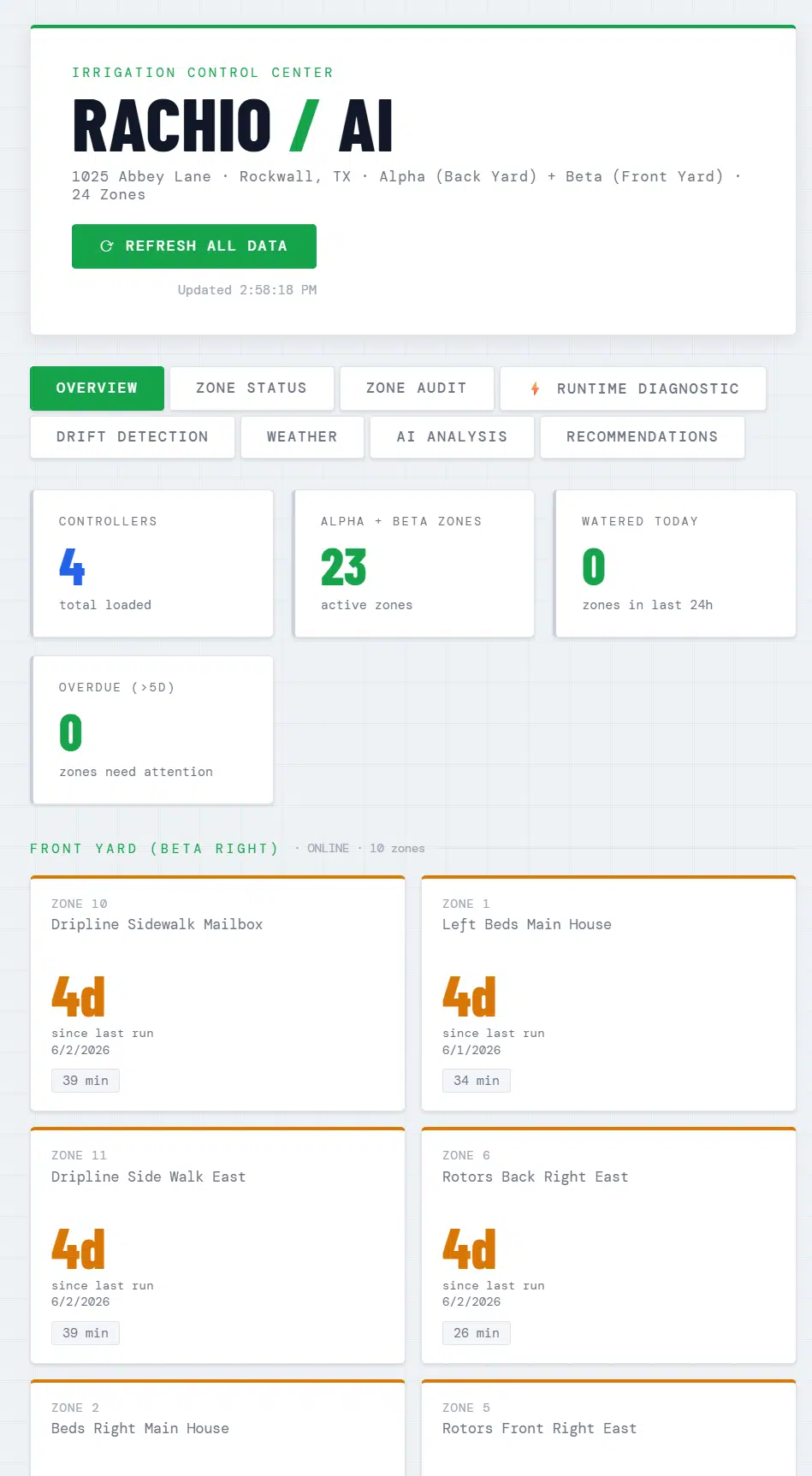
My incubator experience helped me build a treasure trove of home apps. I built a dashboard that integrates my smart home apps, like a pool app for my mother-in-law and one that turns on the fountains for our dog via the pool’s API.
Think through your personal life. What could you automate or give you information at your fingertips so you could understand what’s going on?
That’s where you start to think about the challenge and the solution and all the things that can help Claude, ChatGPT, or Gemini figure out a solution.
Yes, you’re also going to learn about APIs, a Python server, and coding. Don’t let that scare you. It makes you a smarter marketer. Remember, we email industry veterans had to know all the technical stuff back in the early days before dashboards took over, and we did pretty well.
What makes an AI brief effective
Picking the right AI model is important, but you need to write a workable brief to get the right results.
A brief is a series of prompts. It’s not a single instruction. The more relevant detail you provide, the better your AI model can help you. (See my chicken incubator brief here.)
Keep these four points in mind as you construct your brief.
Picture AI as a new employee who comes in without knowing anything about you or the work you do
We spend weeks and months training new employees on company policies, procedures, and the job. Why would we believe AI doesn’t need this same discipline?
Approach the brief process like that. Give it as much information as you can. This takes time, but it pays off later in fewer mistakes and a better-quality result.
Also, when the project is finished, you can check it against the brief to make sure you got everything and that the result aligns with your goal.
You can even produce a new brief that encapsulates everything that happened along the way. With my chicken incubator, what I had in the brief in the beginning was vastly different from what I’m working with today.
This comes from giving all the information to Claude up front and having it as a partner, not as a piece of technology.
You might even learn, as I did, that the brief process is better in ChatGPT and the execution is better in Claude.
Explain the challenge
You need to know your household’s current state — just as you’ll articulate your company’s current state — and know why it’s a challenge.
Answer these questions:
- What are you trying to accomplish?
- What do you need to meet this challenge?
- What will success look like?
After you develop the challenge, you need to have the solution. If you don’t know the solution, create rules and guidelines that define that solution and how an AI model can help.
These are honest questions. But you need solid answers if you want to succeed. At this point in the process, most people are itching to jump into AI and have it do the work. But that means going right to tactics without the strategy that guides those tactical choices.
AI makes it so easy to jump in and start to iterate, making it up as you go. But that mistake costs you time. We write briefs for everything we do in marketing. Why should AI be independent of that practice?
Set up checkpoints
These are different from the three questions I posed before:
- “Ask me any question that will help you accomplish the goal or provide more information.”
- “Point out my blind spots.”
- “Show me where I might be biased in my assessment of the solution to this problem.”
These directives unlock your AI’s ability to challenge you instead of taking your directions at face value and possibly going down the wrong path.
For one of my current projects, one of my first steps when defining the project is telling my AI model to alert me if I appear to be biased. It worked well, although I had to scale it back a bit because it started to see bias in almost everything I did.
Don’t take everything your AI model tells you at face value
Read the analysis — don’t just flip to the recommendations. This is true in any consulting project report, and it’s true with AI, too. Challenge the conclusions.
Having a solid brief process and adherence to governance is critically important.
What your home project can teach you about AI
AI is a great tool, but it takes a lot of forethought. And when you’re done, you have more thinking to do as you analyze what you learned.
One thing the chicken project taught me is how the AI models work together. Despite my initial issues with ChatGPT, I was able to research and build the brief in ChatGPT and then enact it in Claude.
I can apply what I learned from my personal project to my corporate work. This can open your mind to what AI can do.
In the corporate environment, it can help you ask the right questions and evaluate platforms when your company begins meeting with potential vendors. The benefit is tangible: less wasted time, effort, and money.
If you don’t do the work, AI becomes just one more bright and shiny toy. If you do the work, it can help you change your future.
Now, go incubate your skills with a cool home project, and tell me what you hatch.
Contributing authors are invited to create content for MarTech and are chosen for their expertise and contribution to the martech community. Our contributors work under the oversight of the editorial staff and contributions are checked for quality and relevance to our readers. MarTech is owned by Semrush. Contributor was not asked to make any direct or indirect mentions of Semrush. The opinions they express are their own.

Ryan Phelan is a go-to-market advisor to B2B technology leaders, the outside operator senior teams bring in to close the gap between how they see their company and how the market does. Across nearly three decades in marketing, he has built and led programs for high-growth SaaS and Fortune 500 brands in retail, FinTech, and technology, with email and lifecycle marketing as his signature specialty. In 2023 he received the ANA Thought Leader of the Year Award, the industry's top honor, and he is chairman emeritus of the Email Experience Council Advisory Board. He is an in-demand keynote speaker and has written 100+ columns for MarTech. More at ryanphelan.com.
View Author Profile
Add us as a preferred source on Google
Google's "preferred sources" feature allows users to customize their search results by selecting news outlets they want to see more often in the "Top Stories" section.
Add Martech NowRelated Articles

Teams built around autonomy, experimentation, and cross-functional work can turn AI’s speed into faster campaigns without adding headcount.
Read More
Nearly 60% of Gemini’s local citations point to business websites, but recommendations can change dramatically when using identical searches.
Read More
Marketing artificial intelligence (AI)
27 minutes readSeismic and Highspot's merger creates a bigger GTM platform, but how useful will it be to customers with disconnected data and processes?
Read More
Being included in an AI answer isn't the same as being chosen. Here's what determines the difference.
Read MoreRelated Articles
Teams built around autonomy, experimentation, and cross-functional work can turn AI’s speed into faster campaigns without adding headcount.
Read More
Nearly 60% of Gemini’s local citations point to business websites, but recommendations can change dramatically when using identical searches.
Read More
Marketing artificial intelligence (AI)
27 minutes readSeismic and Highspot's merger creates a bigger GTM platform, but how useful will it be to customers with disconnected data and processes?
Read More
Being included in an AI answer isn't the same as being chosen. Here's what determines the difference.
Read More